

Stopping the Kensington Mine Project
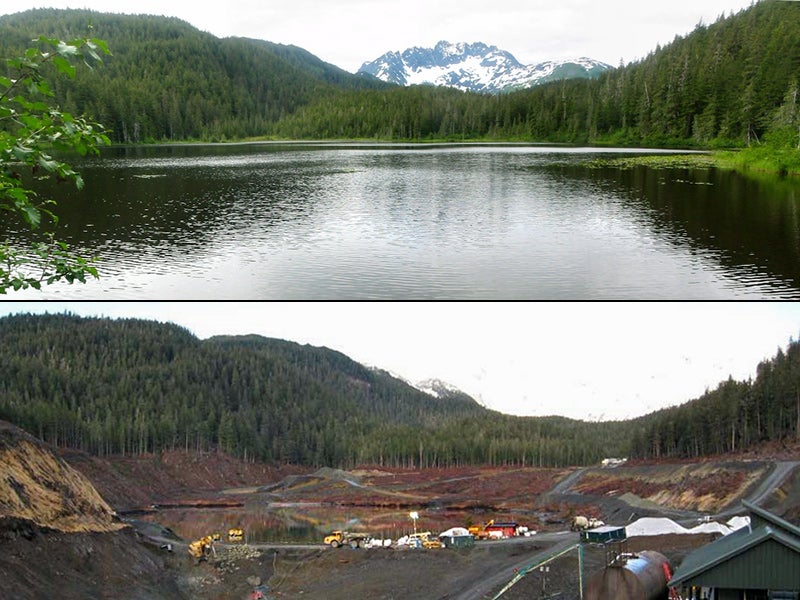
Millions of tons of mine waste will be dumped into a pristine sub-alpine lake in Southeast Alaska, killing all fish and aquatic life in the lake.
Clients
Regional Office / Program
Case Overview
In issuing a permit for a gold mine, the Army Corps of Engineers considered the mine’s chemically processed, toxic mine waste to be “fill material” under the Clean Water Act, bypassing strict EPA limits for this type of pollution. As a result, millions of tons of mine waste will be dumped into a pristine sub-alpine lake in Southeast Alaska, killing all fish and aquatic life in the lake.
In March 2007, the Ninth Circuit Court of Appeal announced that the permit to allow the mine waste to be dumped in the lake was illegal and would be struck down. On October 29, 2007, the same court—in this case, all 27 active judges—refused to reconsider the decision made in March.
In a 6–3 decision on June 22, 2009, the U.S. Supreme Court reversed the decision of the Ninth Circuit Court of Appeal. The mine is now operating and dumping its waste in the lake, but Earthjustice and others are working to change agency rules to avoid this result in the future.
Case Updates
Case page created on October 19, 2005.