
Campaigns
Safe Farms, Healthy People
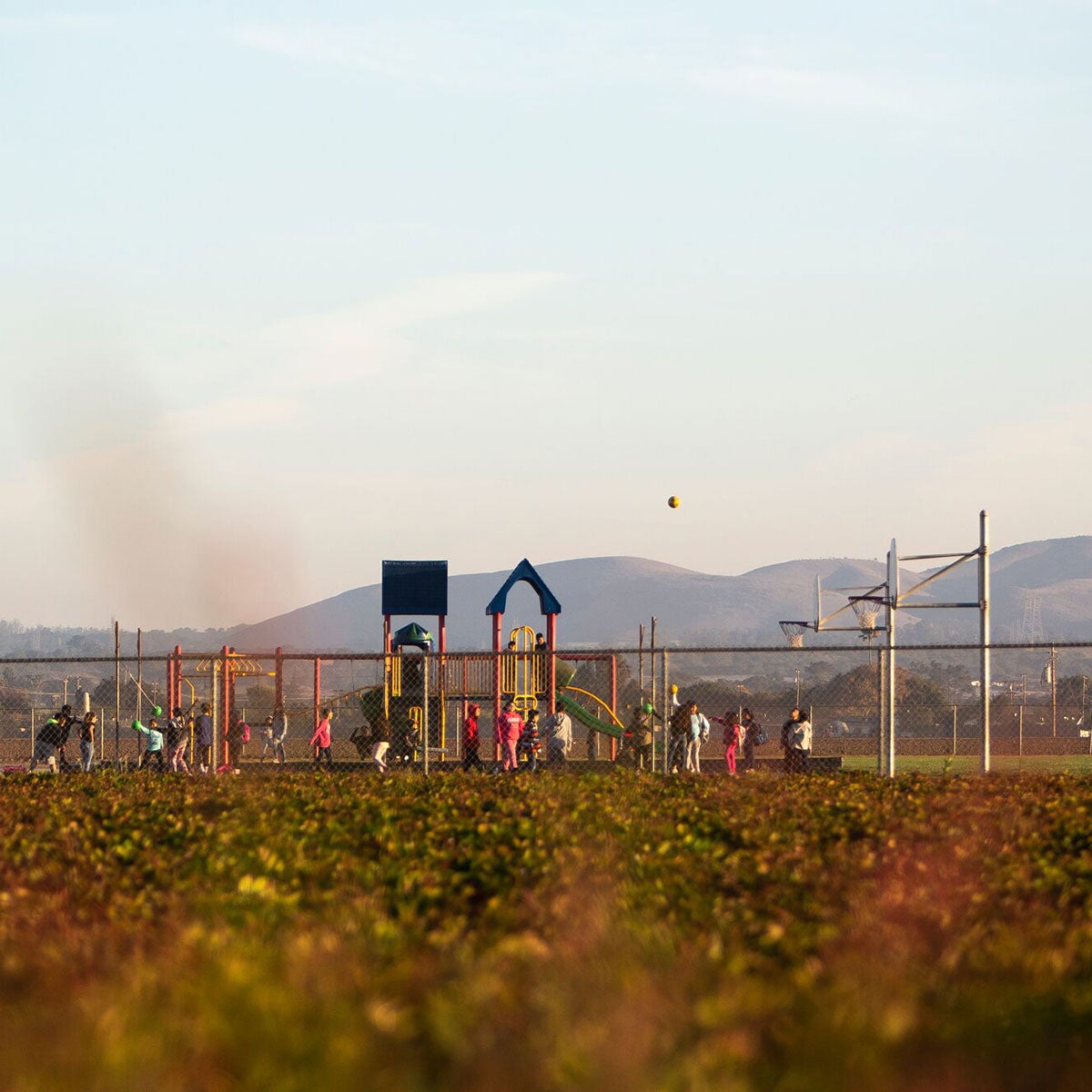
When chemical pesticides were first introduced in the 1940s for large scale industrial use, people hailed them as modern miracles of agriculture. Fast, effective, and easy to use, pesticides were able to wipe out unwanted pests at the slightest sign of an outbreak. These miracles, however, exacted a deadly price. The same toxicity that proved lethal to insects is also poisoning children, farmworkers, and wildlife. Earthjustice has mounted aggressive legal campaigns to protect people and the environment from pesticides and promote healthy, sustainable farms.
See our main goals » « Hide our main goals
|
I. Phase out the most dangerous pesticides II. Safeguard the most vulnerable communities where phase-out is not possible III. Ensure that wildlife is protected from pesticides IV. Make EPA fully consider the impacts to public health and the environment before approving pesticides for use V. Compel EPA to consider organic or less toxic alternatives to chemical pesticides | |
 |
|
More than 19,000 of our supporters recently signed a petition to ban the use of endosulfan (a dangerous pesticide related to DDT) on our food. Check back for updates and more opportunities to take action!
Support our legal efforts to ensure the EPA acts promptly to reduce the dangerous impacts of pesticide use.
| | |
Who Is Most At Risk? (Click the tabs to learn more)
At A Glance
|
Children
With bodies that are still developing, children and infants are some of the groups most vulnerable to pesticides.
|
Farmworkers
No group faces a bigger threat from pesticides than the farmworkers who are on the front line everyday.
|
Wildlife
Wildlife, particularly those in rivers, lakes, and streams, pay a high price for our reliance on pesticides.
|
Children
Vulnerabilities
Pesticides pose greater risks to children than adults for a variety of reasons. Children's bodies are much smaller than adults and pesticides have a greater potential of affecting them at sensitive stages of their physical and mental development. In addition, children spend more time outside crawling on the ground and putting things in their mouth, which makes them more susceptible to pesticides that drift to the ground.
Since most children consume large quantities of fruits and vegetables, they may be exposed to larger amounts of pesticide residues. Popular fruits such as peaches, apples, and strawberries, for example, all contain very high traces of pesticides. If they are exposed, children have less of the enzyme necessary to defend their brains from pesticide poisoning than adults. (http://www.foodnews.org/)
Impacts
There are many well-documented health impacts to fetuses and children who are exposed to pesticides. Studies have shown that exposure to certain pesticides can lead to malformed genitalia, lower birth weights, and other developmental defects in fetuses, while young children can suffer from lower IQs, a potentially greater risk of autism, and acute effects such as vomiting, seizure, and even death.
What We're Doing
Earthjustice places a high priority on safeguarding the health of children from pesticides. We are currently challenging the continued use of diazinon and chlorpyrifos, two highly toxic pesticides derived from WWII nerve gas that are especially dangerous to children because they interfere with their growth and development. Both pesticides are notorious for contaminating water and are used on a variety of fruits and vegetables popular with children, including apples, blueberries, corn, cherries, and spinach.
We are also targeting four more nerve gas pesticides that can drift from fields into homes and schools. These chemicals can cause acute poisonings. Many countries around the world, from Canada to Sri Lanka, have already banned one or more of these pesticides, and we hope to force the EPA to move in that direction with our lawsuit.
Farmworkers
Vulnerabilities
It is no surprise that farmworkers face the biggest threat when it comes to pesticides. Farmworkers come into direct contact with pesticides when they are preparing pesticides for application and when they are applying the poisons in the fields. Farmworkers who harvest crops are also exposed to the pesticide residues on plants, and pesticides can drift onto nearby fields and sicken workers and their families when they are sprayed.
This vulnerable population often lacks adequate access to health care, and many do not report cases of pesticide poisoning for fear of retaliation from their employers. Even with drastic under-reporting of pesticide poisonings, it is estimated that tens of thousands of farmworkers are poisoned by pesticides each year. Clearly, more needs to be done to protect workers from hazardous pesticides.
Impacts
Exposure to pesticides can lead to a wide array of health problems for farmworkers. One family of pesticides -- organophosphates -- disrupts the body's nervous system, resulting in splitting headaches, vomiting, uncontrollable sweats, blurry vision and dizziness. More severe exposure to organophosphates can cause loss of consciousness, paralysis, and death.
Another family of pesticides -- organochlorines -- includes the notorious banned pesticide DDT as well as those that are still on the market, such as endosulfan. These pesticides have similar poisoning effects as the nerve gas pesticides, but endosulfan has also been linked to breast cancer, hormonal effects, smaller testicles, and lower sperm production. One study found that children who were exposed to endosulfan when they were fetuses have a higher incidence of autism.
What We're Doing
Earthjustice recognizes that farmworkers are especially vulnerable when it comes to pesticide exposure, and we are mounting an ambitious campaign to protect this underserved community and their families.
We are working to stop the use of the most dangerous pesticides, including a nerve gas pesticide known as chlorpyrifos. Exposure to chlorpyrifos can lead to numbness, convulsions, mental impairment, and even death. Although it has been banned for most home and garden use, chlorpyrifos is still applied to agricultural crops, including corn, fruit orchards, and other vegetable row crops.
We have also worked to obtain medical monitoring of farmworkers in Washington state who handle toxic pesticides. Testing their bodies for exposure will help identify unsafe work practices and remove at-risk farmworkers from the field before they fall seriously ill.
Finally, there is no fund to pay for the harm that pesticides cause to people. Earthjustice has defended the right to sue for compensation when chemical companies sell dangerous pesticides without ensuring that their use will not poison workers or impair the health of children and other people in harm's way.
Wildlife
Vulnerabilities
Every year, farmers in the US apply millions of pounds of highly toxic pesticides to their fields. Unfortunately these chemicals do not always stay there. Pesticide drift and run-off from fields can make their way into rivers, lakes, and streams, creating a deadly environment for fish and wildlife. This is particularly true in Washington, Oregon, and California, where chemicals used in agriculture have wreaked havoc on the struggling salmon populations. Already facing an uphill battle against large dams and low water flows, Western salmon will face an even more uncertain future if pesticides continue to contaminate their aquatic habitat.
Impacts
Pesticides threaten fish and wildlife in various ways. The most obvious impact is death from high concentrations of pesticides. This is particularly true of smaller fish, amphibians, invertebrates and aquatic insects who are extremely sensitive to contamination. Larger predators, such as wading birds, salmon, and marine mammals can also become poisoned if they eat the dead or dying prey.
Even when pesticide concentrations are not high enough to directly kill larger animals, they can still cause damage. For example, pesticides can impair a fish's swimming ability and sense of smell, cause abnormal sexual development, and result in skeletal deformities. Pesticides and herbicides that contaminate rivers and streams can also hurt salmon survival rates by wiping out their food supply and killing off the aquatic vegetation they use to hide from predators.
What We're Doing
Two ways to blunt the impact of pesticides on fish and wildlife are to set up no-spray buffer zones along streams and to put warning labels on store-bought pesticides. Earthjustice has successfully stopped the use of 38 highly toxic pesticides adjacent to salmon rivers and streams through the creation of buffer zones that reduce contamination of local waterways.
We also succeeded in requiring all urban home and garden stores in the Pacific Northwest to label their products with warning signs if they contain pesticides that have been found to harm salmon and steelhead trout. These warnings allow consumers to avoid using toxic pesticides if they live near rivers and streams.
But buffers and warnings may not be enough to protect salmon and other wildlife from pesticides that travel long distances and persist in the environment long after they are sprayed. Earthjustice has been forcing the EPA to identify the full range of threats pesticides pose to endangered species. While EPA has been resistant and slow, it recently found that it needs to adopt far greater protections for salmon from use of three widely used nerve-gas pesticides. Earthjustice will continue to press for adequate safeguards, including phase-outs of some pesticides to protect salmon and other wildlife. |
Graphic: Paths Of Exposure
Click the three icons below to learn more about how at-risk populations are exposed to pesticides.
| |
Pesticide Groups We're Targeting
(Click the tabs to learn more)
At A Glance
|
DDT-Like Pesticides (Organochlorines)
Once heralded as a potent check to the spread of disease and crop-destruction by insects, DDT was sprayed indiscriminately in the 1940s through the 1960s. A burgeoning environmental movement succeeded in getting DDT's use banned in the U.S., but similarly toxic pesticides in the same chemical family are used on our food to this day.
|
|
Nerve Gas Pesticides (Organophosphates)
Nerve gas pesticides, the descendants of chemical weapons developed in World War II, are the most heavily-used family of insect-killers in the United States.
|
|
Fumigants
These toxic gaseous pesticides are typically injected in soil to sterilize fields before planting begins. But the gases often waft into the air and drift over farms and neighborhoods, exposing people and animals to dangerous toxins linked to serious respiratory ailments.
|
DDT-Like
Background
DDT is perhaps the most notorious pesticide ever used in the United States. First developed in the late 1930s, DDT quickly gained favor as an insecticide (insect-killer) for its broad toxicity and its persistence on crops. Its uses even extended to delousing U.S. soldiers during World War II and controlling neighborhood mosquitoes.
But DDT's "assets" were not viewed as such by everyone. Rachel Carson's "Silent Spring," first published in 1962, revealed the terrible effects that DDT and other pesticides were having on wildlife. (Not surprisingly, DDT's broad toxicity meant it was harmful to more than just the insects it was intended to control.) Rising concern over DDT's toxicity and continued use ultimately led the U.S. Environmental Protection Agency to ban it in 1972.
While the story may appear to end there, the truth is that some pesticides similar to DDT are still approved by the EPA for use on farms across the U.S. DDT is part of the organochlorine family of pesticides, which are known for persisting in the environment long after they are applied and contaminating food chains. More than that, some organochlorines travel long distances in the air and water and eventually end up in places far from where they were used.
Health Impacts
Endosulfan is one of the most commonly used organochlorine pesticides today. Like DDT, endosulfan is toxic and persistent. Acute exposure to endosulfan can lead to a range of serious health problems, including difficulty breathing, nausea, vomiting, brain damage, coma, and death. Additionally, endosulfan has been linked to an increased risk of breast cancer and miscarriage as well as developmental problems in young children. A study found that children exposed to endosulfan when they were fetuses had a significantly higher incidence of autism.
Once released into the environment, the spread of endosulfan is hard to control. It is carried far and wide by wind and water currents and has been detected in remote Sierra Nevada lakes, portions of the Arctic, and even Mt. Everest. Closer to home, endosulfan's uncanny mobility is a serious threat to humans and wildlife. If fish aren't killed outright by endosulfan contamination of waterways, the poison accumulates in their fatty tissues and is passed up the food chain, threatening many species from polar bears to the humans that eat the fish.
Despite these serious risks -- not to mention the fact that endosulfan has been found in our food supplies, drinking water, and the tissues and breast milk of pregnant mothers -- the EPA continues to allow endosulfan to be used in the U.S while the rest of the world is turning away from it. Endosulfan has been banned or severely restricted in many countries, and it is under consideration for addition to the Stockholm Convention, a treaty banning persistent organic pollutants, which would prohibit its use in 131 nations (the U.S. has unfortunately not ratified the treaty).
Usage
EPA allows endosulfan to be used on a wide variety of crops, including: apples, cotton, cucumbers, lettuce, melons, pears, squash, tobacco, and tomatoes.
Click map to enlarge
Our Work
The Environmental Protection Agency's own analysis of endosulfan found that the pesticide poses serious risks to humans but provides only minimal benefits to growers. Earthjustice filed suit in federal court against the EPA in July 2008 on behalf of a broad coalition of farmworker, public health, and environmental groups to stop the continued use of the pesticide. The risks to farmworkers, children, and wildlife are simply too serious for EPA to allow continued use of endosulfan.
Nerve Gases
Background
Some of the pesticides most commonly used in the United States -- known as organophosphates -- are derived from nerve gas that the Nazis developed during World War II. After the war, German and American companies tailored them for commercial use to combat crop-killing insects. The EPA approved many organophosphate pesticides in the 1950s and 60s, before health and environmental standards were in place. Today, roughly 70% of insecticides used in the U.S. are organophosphate pesticides.
Health Impacts
The toxicity of nerve gas pesticides is not surprising given their notorious origins. They kill farm pests by disrupting their nervous system, and they can do the same to people and wildlife. As the nervous system goes haywire following exposure to an organophosphate pesticide, one may experience splitting headaches, vomiting, diarrhea, uncontrollable sweats, blurry vision, and dizziness. In severe cases, exposure can result in tremors, unconsciousness, paralysis, coma, and death.
In addition to nervous system impairment, the nerve gas pesticides can cause other types of health problems. For example, diazinon -- actively used since 1956 -- has been linked to liver and pancreatic damage, diabetes, and non-Hodgkins lymphoma (a type of cancer). It is also the most common insecticide found in surface waters and has led to numerous bird and fish kills as a result. Another common organophosphate, chlorpyrifos, has been linked to impaired brain development and behavioral issues in children even at low levels of exposure.
Due mostly to their hazardous effects on children, EPA no longer allows most residential uses of diazinon and chlorpyrifos. Both pesticides, however, remain approved for farm use which means they can still poison the children of farmworkers by drifting into nearby homes, schoolyards, and playgrounds. Children of farmworkers can also be at risk when their parents bring home pesticide residues on their clothing and skin.
Usage
|
Azinphos-methyl (AZM) is used to kill insects on crops including apples, cherries, pears, blueberries, and parsley.
|
|
Chlorpyrifos is used on a variety of crops, including corn, apples, cotton, citrus fruit, soybeans, pecans, and tobacco.
|
|
Diazinon is used on a wide variety of crops, including almonds, apples, blueberries, broccoli, cherries, cranberries, lettuce, onions, peaches, pears, plums and prunes, potatoes, spinach, and tomatoes.
Click maps to enlarge |
Our Work
Earthjustice is working through the courts to compel the EPA to phase out the use of most toxic organophosphate pesticides. In 2006, following an Earthjustice lawsuit, the EPA agreed to phase out AZM because of risks to farmworkers and children, and it ordered buffers around homes, schools, hospitals, day cares, and parks to protect against pesticide drift. Their timetable, unfortunately, was a phase-out by 2012 (with a possible extension or reversal of the phase-out decision along the way). Earthjustice challenged the EPA's decision in early 2007 on the grounds that six years of continued use will lead to more poisonings of farmworkers and their families and that a faster withdrawal is both possible and necessary.
Earthjustice is also working to achieve a phase-out of chlorpyrifos, diazinon, and four additional organophosphate pesticides that the EPA has kept on the market despite well-documented dangers to children and farmworkers.
Fumigants
Background
Fumigants are a family of toxic gaseous pesticides. In agriculture, fumigants are used to sterilize soil before planting crops and to treat stored food, including imported goods. Due to their gaseous state, fumigants are applied in much higher amounts than conventional liquid pesticides (and they are also very acutely toxic). They pose substantial risks to farmworkers and nearby communities. Roughly 10% of the pesticides used in the U.S. are fumigants.
Fumigants used in the U.S. include methyl iodide, chloropicrin, and metam sodium. The use of methyl bromide, a notorious fumigant, was severely restricted by the Montreal Protocol, an international agreement that phased out many compounds responsible for depletion of the ozone layer. The U.S., however, succeeded in gaining some exemptions for "critical uses" of the compound, and application of methyl bromide continues to this day.
Health Impacts
Though most fumigants in the U.S. cause irritation of the skin, eyes, nose, and respiratory tract, along with headache, diarrhea, and dizziness, each fumigant can lead to unique health problems. Exposure to methyl bromide, for example, can lead to seizures, impaired brain and muscular function, and a form of asthma. Other fumigants like methyl iodide have been linked to increased incidence of particular types of cancer.
Fumigants injected into the soil or greenhouses can escape into the atmosphere, threatening the health of nearby communities. Some fumigants will even react with air and sunlight to form ground-level ozone, a type of air pollution linked to asthma and other chronic respiratory diseases.
Usage
|
Methyl bromide is used primarily on tomatoes, strawberries, and bell peppers, though other crops are sprayed as well.
Note: Methyl iodide has been approved by the EPA for use as a replacement for methyl bromide, despite methyl iodide's substantial health impacts.
|
|
Metam sodium is used heavily on potatoes, though carrots, tomatoes, onions, and other crops are sprayed as well.
|
|
Chloropicrin is used on crops including tobacco, strawberries, tomatoes, and bell peppers.
Click maps to enlarge |
Our Work
The Environmental Protection Agency is in the process of evaluating all fumigant pesticides for re-registration. Earthjustice is monitoring the process to ensure the EPA takes the health of our communities into consideration when approving fumigants for use. Check back for more information as our work develops.
|
Graphic: Are Pesticides Used Near You?
Click the map below to see larger versions of where some of the pesticides we're working to control are used.
Click here for a description of the map data. |
Feature Stories
Earthjustice has worked to rein in pesticide use for decades. These three stories, as told by attorneys Patti Goldman, Todd True, and Kristen Boyles, celebrate some of our hardwon victories in this ongoing campaign.
| |
|
|