

Stopping The Alberta Clipper Tar Sands Pipeline
The oil pipelines would threaten everything in their path: water resources, land and landowners, wildlife and other resources would be negatively impacted by spills and leaks
Clients
Regional Office / Program
Case Overview
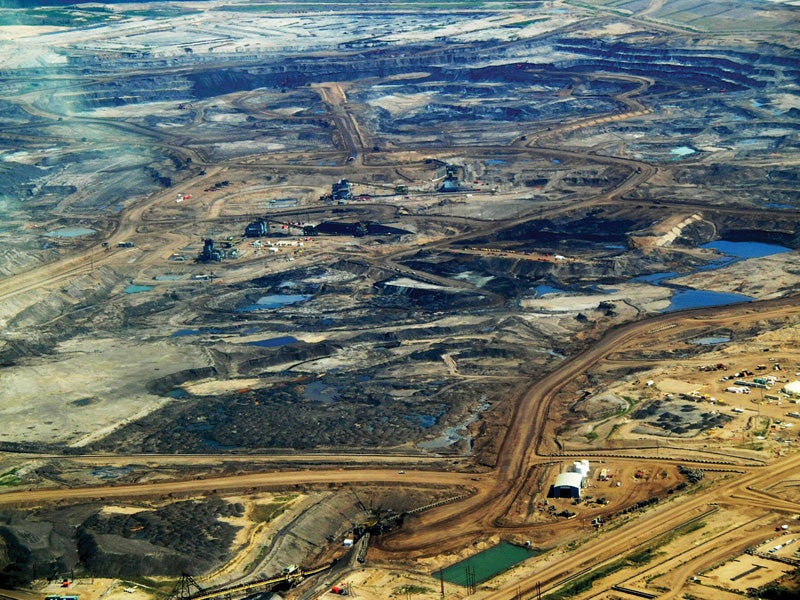
Alberta, Canada is the site of an environmental catastrophe. Tar sands mining has created toxic tailings ponds that can be seen from space and plans have been made to strip away forests and peat lands in an area the size of Florida. Tar sands oil is not conventional crude—it requires as much as four times the water to extract and burns much dirtier, releasing far more greenhouse gases and toxic air pollutants.
The United States is overwhelmingly the dominant market for tar sands oil. Approximately 96 percent of the oil produced from the tar sands is exported to the U.S. for refining and export or domestic consumption, and tar sands oil companies hope to increase U.S. demand for this dirty crude to support expanding extraction projects.
Pipelines are the mode of transport, and industry wants to build a slew of new ones. In addition to incentivizing use of one of the dirtiest fuels on earth, the pipelines would threaten everything in their path: water resources, land and landowners, wildlife and other resources would be negatively impacted by spills and leaks.
The Alberta Clipper pipeline would transport up to 450,000 barrels of tar sands oil per day from Canada into the United States. Earthjustice is challenging the pipeline to prevent any infrastructure that locks us into dirty fuels from being built.
Case Updates
Case page created on September 10, 2009.