

(415) 217-2000
intloffice@earthjustice.org
Media Inquiries
Miranda Fox
Public Affairs and Communications Strategist
mfox@earthjustice.org
Legal Assistance Inquiries
Contacto de Prensa
Robert Valencia
Estratega de Comunicaciones y Asuntos Públicos Hispanos/Latinos
rvalencia@earthjustice.org
The International Program partners with organizations and communities around the world to establish, strengthen, and enforce national and international legal protections for the environment and public health.
Our Impact
The environment knows no borders. Climate change affects communities from the Arctic to the Andes. Rising seas threaten Pacific atolls and coastal cities from Durban to Jakarta to New York. Across the globe, groups that face systemic oppression, such as Indigenous Peoples, and communities with the fewest financial resources, disproportionately suffer the consequences of all forms of environmental harm.
Recognizing this, Earthjustice began working internationally in 1991, when we became one of the first organizations to advocate for international recognition of the right to a healthy and sustainable environment. This principle remains at the heart of our work today, guiding us as we partner with organizations and communities around the world to combat climate change, establish and defend the right to a healthy environment, and protect essential global ocean ecosystems. Learn about some of the places where we work around the world.
We work in places across the world where fossil fuel burning and exports are contributing most to the climate crisis. We collaborate with partners in key countries and regions to catalyze a just transition from fossil fuels to renewable energy to increase access to affordable, reliable clean energy for all. We are also tackling the increasing and unsustainable pressures from human activity on ocean wildlife whose protection requires international collaboration.
Our global collaboration includes advocacy at the United Nations in support of our efforts to curb climate change, advance clean energy priorities, ensure the human right to a healthy environment, and protection for environmental defenders.
Highlights of our work include:
Australia
- For several years, we have collaborated with organizations including Environmental Justice Australia to fight the environmental devastation from coal mines, coal plants, toxic coal-ash dumps, fracking, and offshore gas expansion. Because Indigenous groups bear the burden of much of Australia’s fossil fuel extraction, we have supported some of those groups in defending their human rights.
- We also partner with Australian organizations to use international law to pressure Australia to reduce its greenhouse gas emissions for the protection of human rights and Australia’s magnificent places, like the Great Barrier Reef.
Indonesia
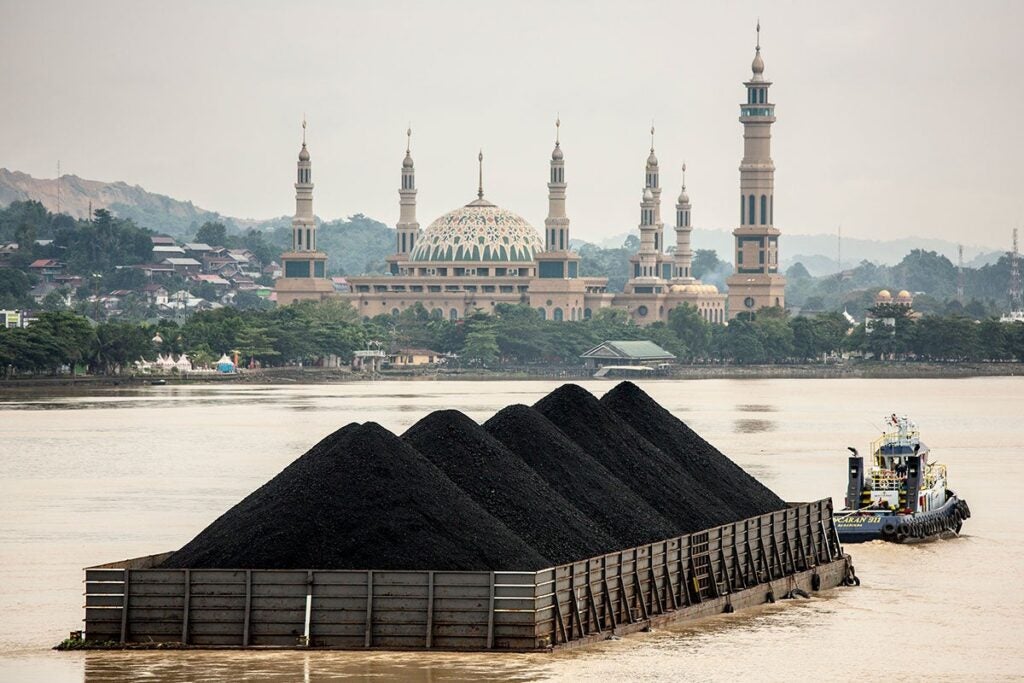
- We support the Indonesian Legal Aid Foundation (YLBHI) and a broader coalition of civil society organizations to level the economic playing field for clean energy and to protect human health by forcing power generators to bear the cost of water, air, and coal-ash pollution from coal-fired power plants.
- We also support cases advancing the right to a healthy environment, from cleaning up the hazardous air pollution of the nation’s capital, Jakarta, to defending human rights from the threats of climate change.
- With the recent rollbacks of environmental safeguards, we support advocates to push for more transparency and participation.
Latin America
- Latin America’s leading regional environmental law organization, the Interamerican Association for Environmental Defense (AIDA), is one of Earthjustice’s longest-standing partners. We supported AIDA and the community of La Oroya, Peru, to win an historic victory before the Inter-American Court of Human Rights recognizing that industrial lead pollution violates human rights.
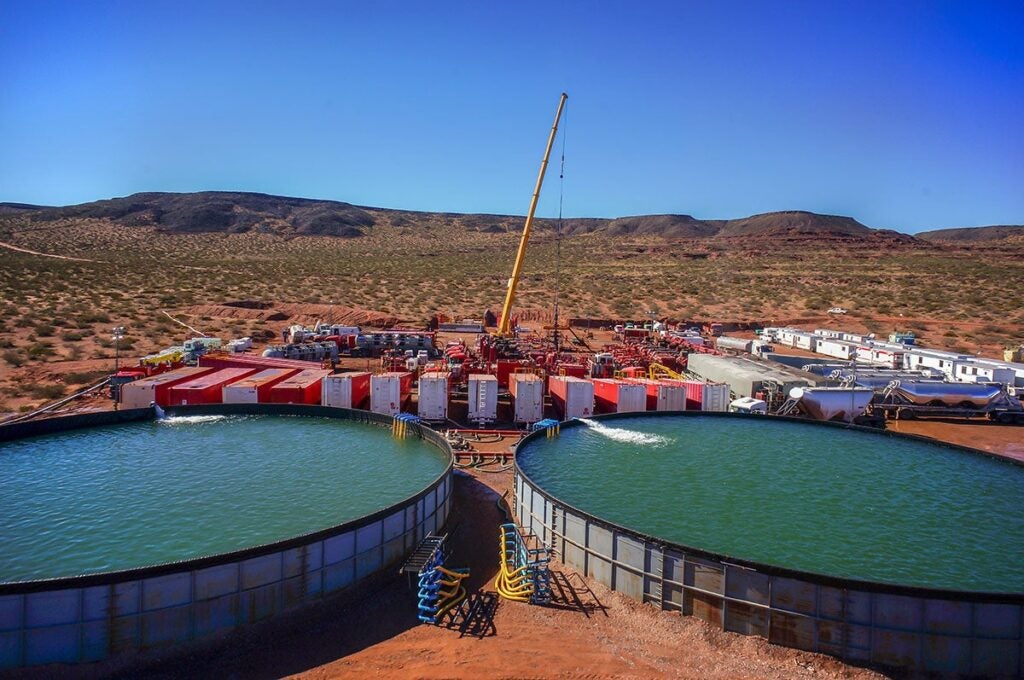
- Together with partners throughout Latin America, we are working to prevent climate harm from the buildup of methane gas infrastructure, which threatens local communities and locks countries into continued fossil fuel dependency. With the plan to export fracked gas from the U.S. through Mexico, we are challenging environmental harm this strategy would bring to people and the planet all along the proposed path. We are also supporting partners to challenge the anticipated harm of proposed fracking in Argentina, Colombia, and Mexico, and harm from large-scale coal mining in Colombia.
- We are also promoting a just and equitable transition by helping partners push for rules that require a coal phase out in Mexico, supporting Indigenous communities fighting impacts of coal mining in Colombia, and supporting our partners challenging polluting coal plants in Chile.
- We are helping defend regulations that allow for clean energy development in Mexico and Chile.
South Africa
- In 2022, we supported our legal partner Centre for Environmental Rights (CER) and its clients in winning a landmark decision in the High Court recognizing the toxic air quality in the region as a breach of residents’ constitutional right to a healthy environment. This was the first time a South African court found that pollution violated the right to healthy environment.
- South Africa’s government is seeking to continue its legacy of coal-fired power generation and initiating new gas-fired power generation. We are supporting CER, Natural Justice, and other South African organizations in challenging numerous proposed coal- and gas-fired power plants due to their harmful environmental impacts. In December 2024, with our support, CER and its clients won another landmark judgment; this time against the South African government’s decision to procure 1,500 MW of new coal-fired power based on its 2019 Integrated Resource Plan. The Court declared the government’s decision unconstitutional because it had not adequately consulted with, nor considered the harms of, climate change to present and future generations.
Clean Energy
- We work across Africa and Latin America to provide expert assistance and support to civil society groups, communities, and local governments to shape new and emerging power sector regulatory frameworks that remove the barriers to clean energy, increase public participation in the energy planning and procurement process, and ensure that local people benefit from clean energy development.
- We support vanguard cities, counties and states to help accelerate the clean energy transition through collaboration with the C40 Cities Climate Leadership Group and progressive national and subnational governments.
- We are working to deepen our collaboration across Africa, where major new electricity generation capacity is being built to meet demand for energy access, urbanization, and industrialization in countries with fast-growing populations. Helping these countries to leapfrog to clean energy is essential if the planet is to have any chance of staying below 2°C warming.
- The renewable energy and battery technologies that presently underpin a global shift away from fossil fuels rely on a key set of minerals, which we call “transition minerals.” Recognizing the environmental, health, and cultural harms of mining, we are partnering with organizations from around the world to advocate for the highest standards for transition mineral mining and processing, requirements for consent from and benefits for affected communities, and robust circular economy legislation that can reduce the need for new mining by recovering and reusing these key minerals.
Oceans
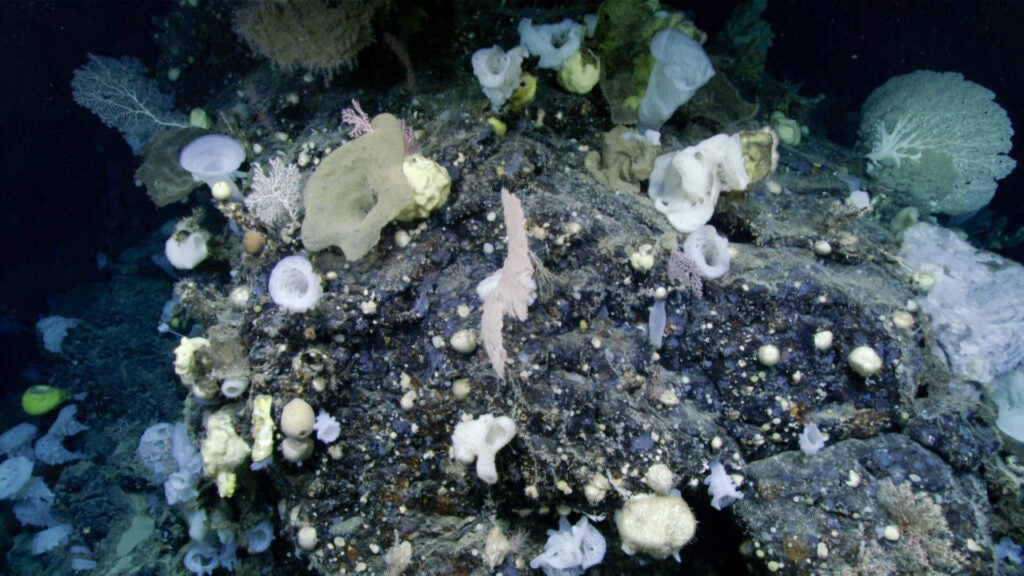
- We work with partners around the world to improve protections for vulnerable marine species, preserve coastal and ocean habitats, advocate for ecosystem-based fisheries management, and mitigate or halt the harm from offshore oil and gas development and other industrial projects that harm marine ecosystems.
- We protect ecologically and culturally important species, from plankton to whales, to ensure the health of marine ecosystems for the communities that depend on them.
- By leveraging U.S. trade laws, we also work to stop unsustainable fishing practices that lead to overfishing and bycatch. Through these efforts, we combat illegal fishing and protect sharks, marine mammals, sea turtles, and other protected marine species around the globe.